


SGMA Is Reshaping Agricultural Appraisal in California
Water is now the first question in every San Joaquin Valley farmland transaction and agricultural appraisers are at the center of it.
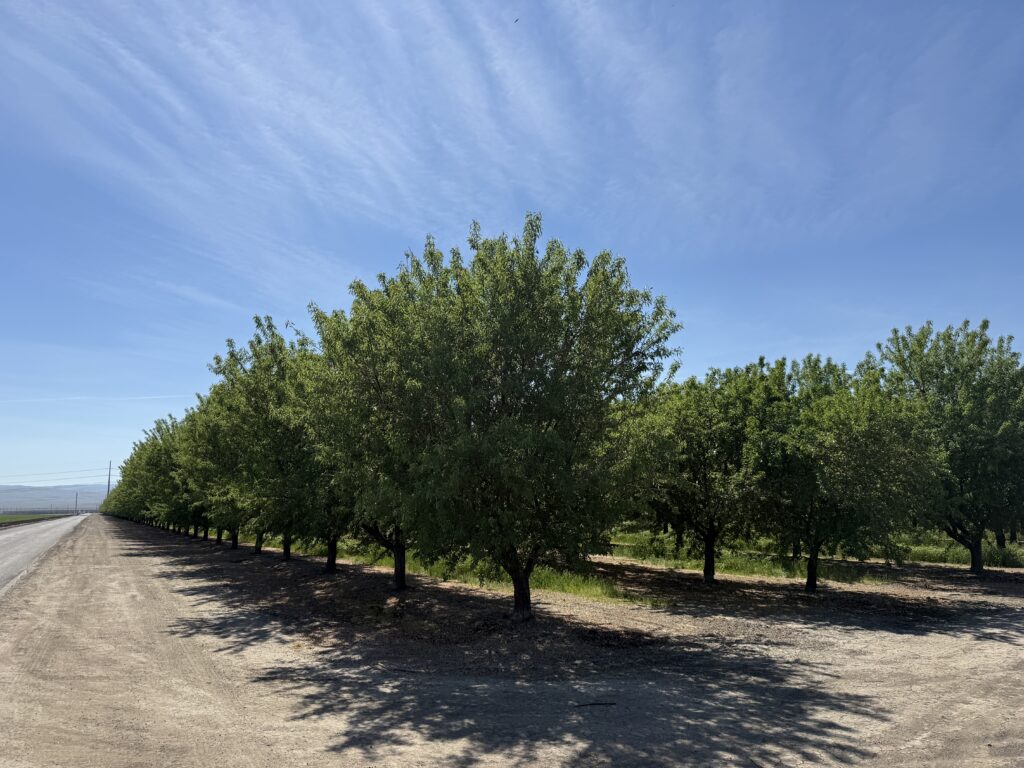
Agricultural appraisal in California has entered a new era. If you have spent any time with appraisers, agricultural lenders, or farm brokers in the Central Valley lately, the conversation keeps circling back to the same issue. Appraisers are valuing those same orchards lower today. The soil profile hasn’t changed. Crop yields haven’t collapsed. What has changed is the answer to a different question: How reliable is the water?
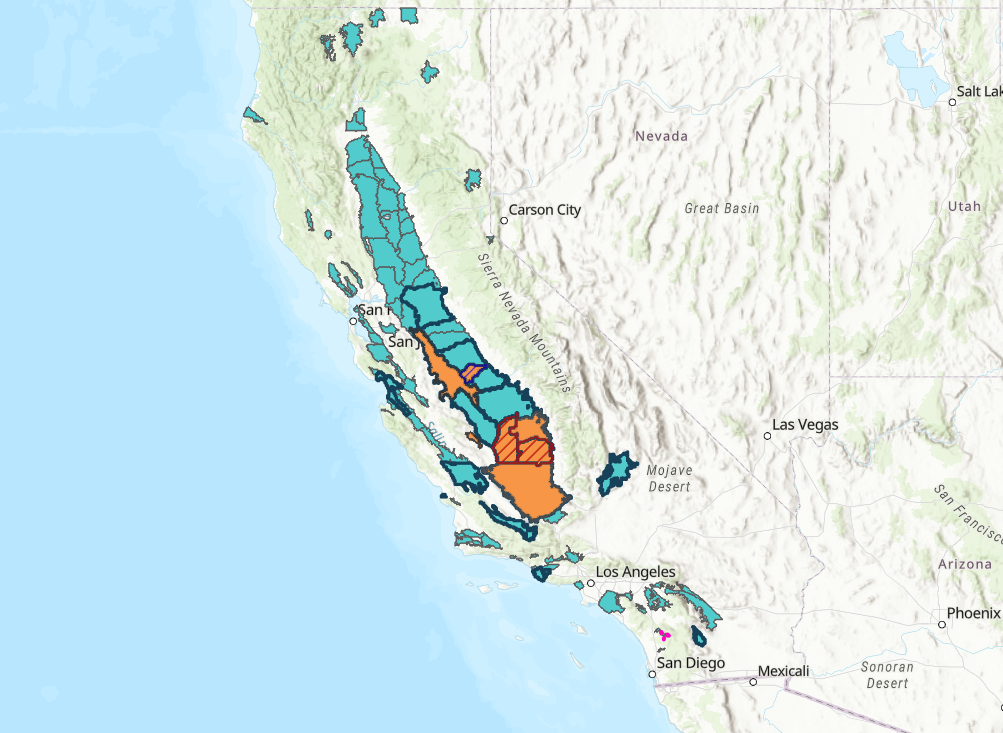
The Sustainable Groundwater Management Act was signed in 2014, but its real effect on farmland values across California is unfolding right now. Groundwater Sustainability Agencies across the San Joaquin Valley are putting extraction limits in place. For parcels sitting over basins facing active sustainability restrictions, those limits are no longer hypothetical. They are showing up in operating results, in broker negotiations, and in appraisal reports.
What SGMA Is Actually Doing to Farmland Values in California
Appraisers, brokers, and lenders across California are seeing consistent patterns in how SGMA is affecting agricultural land values, particularly in groundwater-dependent regions of the San Joaquin Valley.
Parcels with senior surface water rights or reliable district water deliveries are generally holding value and trading competitively. Parcels without dependable surface water access are seeing meaningful discounts. The size of those discounts varies based on crop type, total water demand, basin conditions, and how aggressively the GSA is enforcing the applicable Groundwater Sustainability Plan.
Permanent crops are carrying the most exposure. Almonds, pistachios, citrus, and wine grapes require significant upfront capital and ongoing carrying costs. When a buyer or lender cannot clearly model water availability five to ten years out, buyers and lenders price that uncertainty into the transaction quickly. Some deals are not closing at all. Others are closing at values that would have been difficult to predict just a few years ago.
The question that now drives value is no longer just whether water exists beneath a parcel today. It is whether that water will remain accessible in sufficient volume and quality to support the crop over the life of a loan or the expected ownership period. That is a fundamentally different underwriting question, and it requires a fundamentally different level of analysis in agricultural appraisal.
What This Means for Agricultural Appraisal in California Today
Water analysis has always been part of a competent agricultural appraisal. SGMA has raised the bar significantly on the depth of that analysis. A credible appraisal in a groundwater-affected basin now requires a forward-looking assessment of both current conditions and anticipated regulatory constraints. Our agricultural appraisal services are built around exactly this level of diligence.
Understand the Basin Thoroughly
Identify the Groundwater Sustainability Agency with jurisdiction over the subject parcel. Determine whether the basin is designated as critically overdrafted, where the GSA is in implementing its sustainability plan, and what extraction limits or allocations are currently in place or anticipated. The California DWR SGMA Portal is a solid starting point for basin-level research, but direct communication with local GSAs and irrigation districts often provides the most current and practically useful information.
Document Water Rights and Delivery Contracts
Surface water entitlements, irrigation district participation, and water service contracts all need to be clearly identified and analyzed. A parcel supported by a reliable delivery contract within a district like Kern Delta or Delano-Earlimart Irrigation District represents a fundamentally different risk profile than a parcel relying entirely on groundwater in a constrained basin. The appraiser needs to state this distinction clearly and support it in the report.
Build Paired Sales Analysis Where Possible
Brokers, buyers, and lenders are already incorporating SGMA-related risk into their pricing decisions. Where the market data supports it, paired sales analysis comparing properties that differ primarily in water reliability can provide direct evidence of how buyers are quantifying that risk. This is the most defensible way to support a water-related discount in an agricultural appraisal in California.
Be Explicit in Your Reporting
Lenders across California are under increased regulatory scrutiny regarding water risk in agricultural loan portfolios. A clear, well-supported analysis of water availability, reliability, and regulatory constraints is no longer optional. Reports that address SGMA in general terms rather than property-specific terms are falling short of what lenders and review appraisers now expect.
Build in a Forward-Looking Perspective
SGMA’s 2040 sustainability targets are still years away, but the path there is becoming clearer in many basins. In areas where reduced groundwater availability is already leading to the removal of permanent crops on marginal land, some of those acres are being repositioned for solar development or transitioning to lower water-use crops. Others are fallowing. A credible agricultural appraisal should capture these trends, not just note them as background.
The Lender Perspective on Water Risk in California Farm Appraisals
Understanding where agricultural lenders stand today matters because it directly shapes the appraisal assignments coming in. Many lenders are tightening underwriting standards on properties in water-stressed basins, especially those supporting permanent crops. Some life companies and institutional investors have adjusted their California agricultural exposure or paused activity in select markets while they work through the long-term water risk question.
As a result, appraisers are seeing new requirements. Lenders are requesting supplemental water analysis, third-party water availability documentation, and addenda that address basin-level groundwater conditions with more specificity than was standard a few years ago. Reports that rely on boilerplate SGMA commentary rather than property-specific analysis are not meeting current underwriting needs.
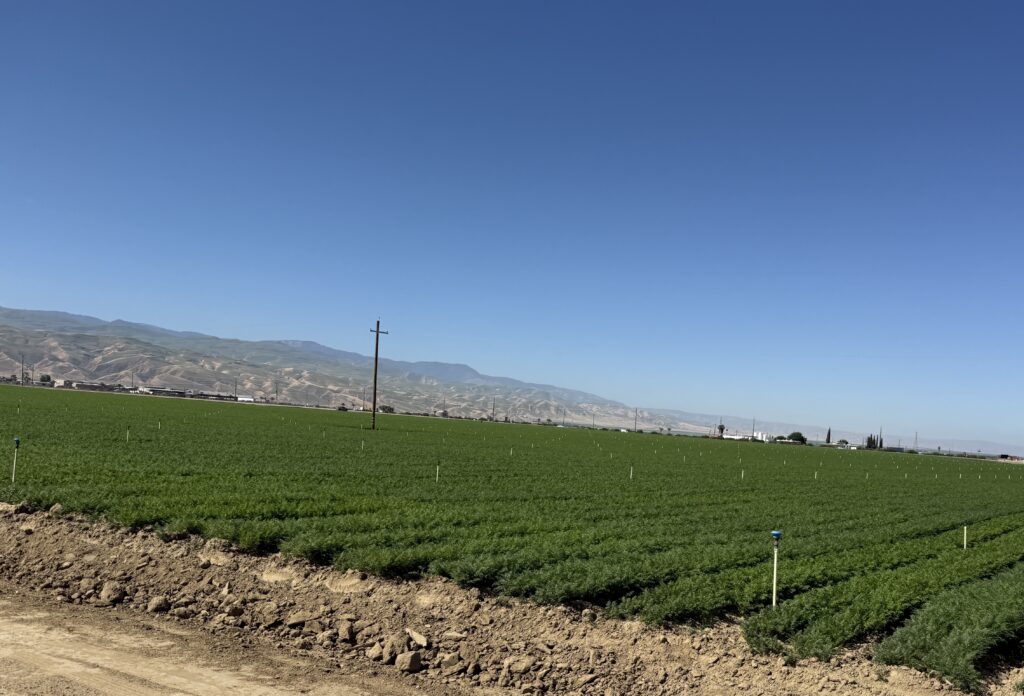
For appraisers, this shift is an opportunity to differentiate. The ability to analyze and communicate water reliability with precision is increasingly what separates a report that moves a loan forward from one that creates delays or raises additional questions.
An Important Caveat for Assignments in Affected Basins
Many GSAs remain in the process of refining and implementing their extraction allocations. In several basins across the San Joaquin Valley, the regulatory framework is still evolving. For assignments with a longer time horizon, including those tied to permanent plantings or development, appraisers should clearly disclose that any conclusions about water availability rest on current policy and available data, both of which may change as SGMA implementation continues toward its 2040 targets.
Where Agricultural Appraisal in California Is Headed
California is in the middle of a structural shift in how the market values farmland. The direction is clear even if some of the details are still being worked out at the basin level. Properties with secure, long-term water supplies will continue to attract premium pricing. Properties with constrained or uncertain groundwater access will face continued downward pressure as SGMA implementation tightens.
For appraisers and landowners in the Central Valley and across California, water is no longer a supporting section in the report. It is the central analysis. The firms that develop strong, repeatable processes for water risk analysis, paired sales development, and GSA-level research are the ones lenders and clients will turn to as this market continues to shift.
If you are working through SGMA-related questions on an assignment or want to talk through how water analysis is being approached in a specific basin, reach out. This is an area where shared knowledge across the appraisal community makes everyone’s work better.
Leave a Reply
follow us on
@ccappraisals

